
Decor trends: layered lighting and the move past shock value
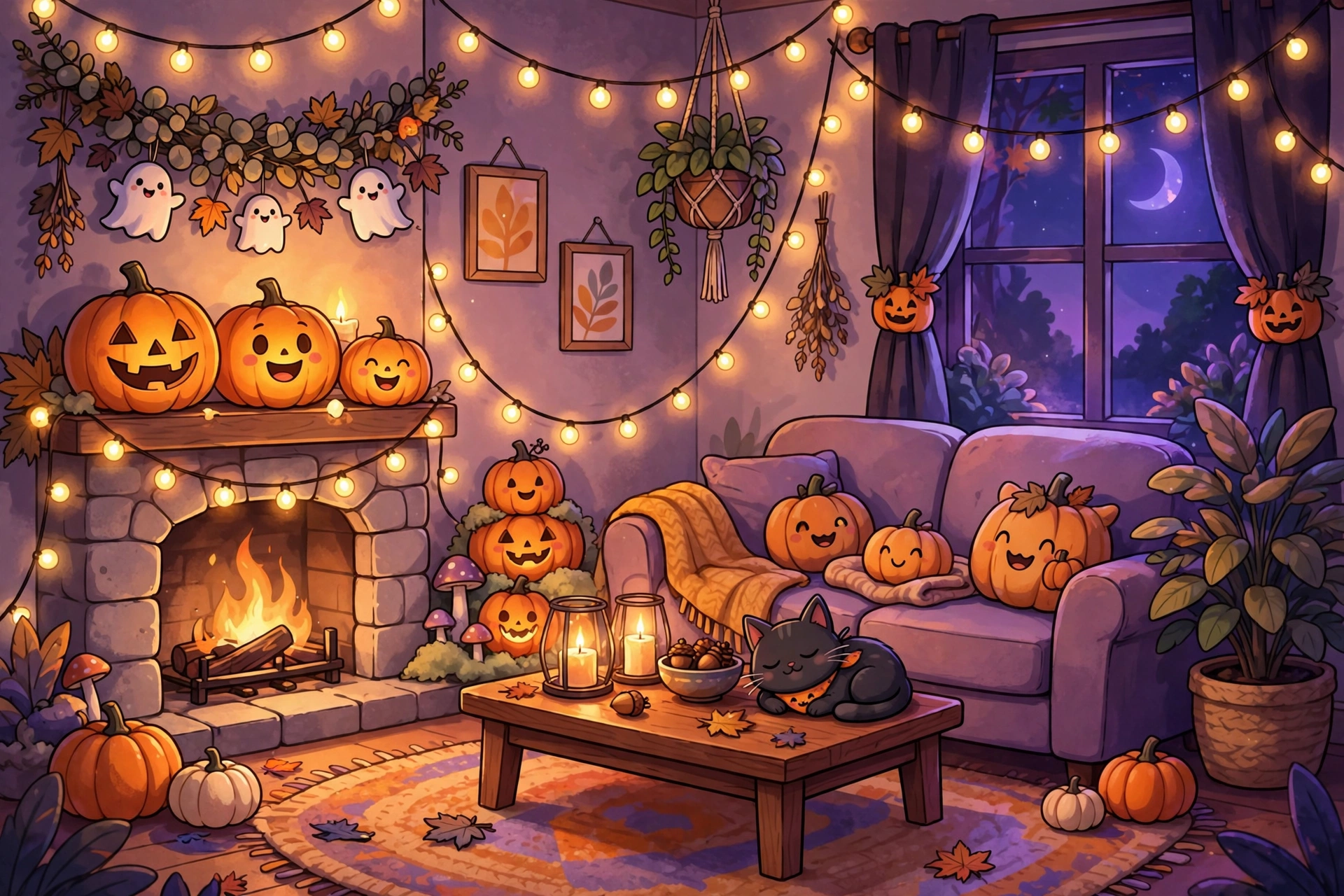
Halloween decorating used to be an arms race of shock: the goriest, the loudest, the most likely to make the neighbors jump. That style isn't gone, but the momentum has moved somewhere warmer. The decorating people linger in front of now — and the rooms people photograph — glow rather than startle. The idea is simple: layer light, not loudness.
Why layered lighting works
Think of light the way you think of seasoning: one source is flat, several sources at different heights and colors create depth. A room lit only by the overhead fixture feels institutional no matter what you hang on the walls. The same room with string lights along a mantel, a lantern on the floor, candles on a side table, and a jack-o'-lantern glowing in the corner feels like Halloween walked in and sat down.
The other advantage is safety and comfort. Warm, layered light is inviting for guests of all ages — grandparents, toddlers, and the dog all do better in a room that glows than in one that strobes. And flameless LED candles and lights mean you get the flicker without the fire risk.
The four layers, room by room
1. The base glow. Start by dimming the overheads (or turning them off entirely) and adding string lights — warm white or amber — along the high lines of the room: mantels, bookshelves, window frames, the top of a door frame. This is your canvas; everything else sits on it.
2. The focal points. Pick two or three spots per room to give a real light source: a carved pumpkin with an LED candle inside, a lantern with a flickering LED pillar, a cluster of tea lights (flameless) in a bowl of candy corn. Focal points draw the eye and give guests somewhere to gather around.
3. The accents. This is where the theme lives: silhouette decorations that come alive when lit from behind. Paper bats on a wall lit by a nearby lamp, a witch silhouette in a window with a light behind it, gauzy fabric draped over a lampshade to soften it. Accents should be cheap and removable — window clings, paper cutouts, and fabric are the workhorses.
4. The color wash. One colored light — purple, orange, or green — aimed at a wall or ceiling adds the Halloween signature without turning the room into a nightclub. Use it sparingly. One wall is atmosphere; four walls is a haunted arcade.
Outdoors: the porch is the show
Your porch is your billboard. Line the walkway with luminaries (paper bags with LED tea lights, weighted with sand), cluster pumpkins of different sizes at the steps, and hang one string of lights along the porch rail. Trick-or-treaters decide in about three seconds whether your house is worth the detour — warm light and visible pumpkins are the signal.
Keep the path itself well lit and clear of cords and decorations. The scariest thing on your walkway should be a decoration, not a tripping hazard.
Beyond shock value
The move past shock value isn't about being boring — it's about being intentional. A single well-placed glowing element beats a yard full of inflatables for memorability. Pick a palette (orange and purple is the classic; black and gold reads elegant; green and amber reads witchy), repeat it through the house, and let the light do the talking.
And here's the practical bonus: layered lighting decor mostly comes down after Halloween into boxes, not the trash. String lights, lanterns, and LED candles work for every other holiday too. Decorate once, glow all year.